

The PPP lesson planning framework — Presentation, Practice, and Production — remains one of the most widely used lesson plan formats in ESL classrooms around the world. It is especially popular in accredited TESOL and TEFL training programs because it gives teachers a clear structure for introducing and practicing new language.
For beginner ESL teachers, PPP can provide a helpful roadmap that organizes lessons into manageable stages. However, while PPP is useful and practical, many teachers eventually discover that using the framework effectively is more difficult than it first appears. Teachers often encounter challenges related to student engagement, communicative fluency, lesson transitions, and activity design. In many classrooms, the framework works well in theory but becomes harder to manage in real teaching situations.
Understanding these challenges is important because it allows ESL teachers to improve their lesson planning skills and adapt the framework more effectively to real learner needs.
The Gap Between Controlled Practice and Real Communication
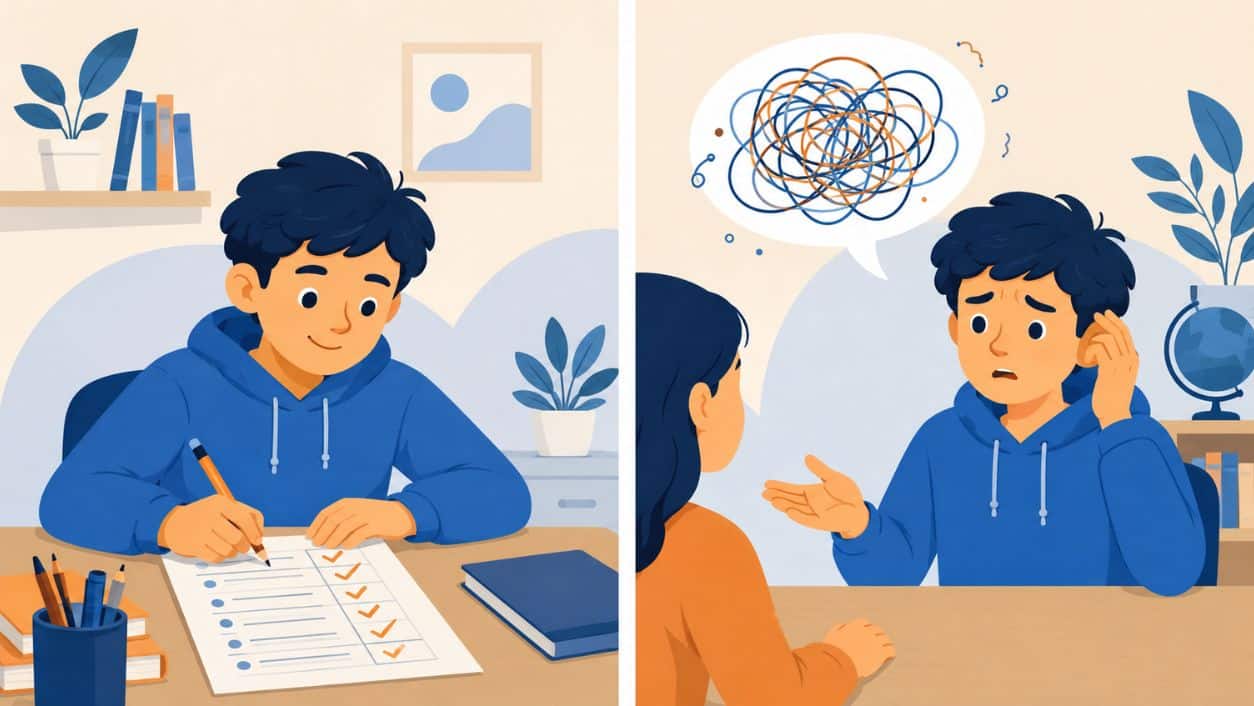
One of the most common frustrations teachers experience with PPP is that students perform well during controlled practice activities but struggle during the Production stage. During the Practice phase, learners may complete grammar exercises accurately, repeat sentence patterns correctly, or answer guided questions successfully. However, once students are asked to communicate more freely, many freeze, hesitate, or avoid using the target language naturally.
This happens because controlled practice does not always prepare learners for spontaneous communication. Students may memorize structures temporarily without fully understanding how to use them in real conversation. As a result, teachers often feel disappointed when learners who seemed successful earlier in the lesson suddenly lose confidence during speaking activities. This gap between practice and authentic communication is one of the biggest challenges within the PPP framework.
PPP Lessons Can Become Too Teacher-Centered
Another major challenge is that PPP lessons can easily become too teacher-centered. In the Presentation stage, teachers sometimes spend excessive amount of time explaining grammar rules, writing detailed notes on the board, or correcting every small error. While the teacher may feel productive, students often become passive listeners instead of active participants.
This problem is especially common among newer ESL teachers who feel pressure to explain language perfectly. Instead of eliciting answers from students or encouraging discovery learning, teachers may lecture too much. The result is reduced student talking time, lower engagement, and less communicative interaction. In communicative language teaching environments, overly teacher-centered lessons can negatively affect motivation and confidence.
The main reason ESL teachers experience this challenge is that they forget how important it is to elicit language through Concept questions and how to properly use board systematization techniques.
In the video lecture below, which was taken from the 120-hour Advanced TESOL / TEFL Certificate course, an OnTESOL Teacher Trainer explains the difference between Elicitation and Systematization techniques used in the Presentation Stage of a PPP grammar lesson plan.

Designing Effective Production Activities Is Difficult
The Production stage itself is another major source of difficulty for ESL teachers. Designing effective production activities requires considerable creativity and experience. Teachers must create tasks that encourage authentic communication while still giving students opportunities to use the target language naturally.
Unfortunately, many production activities either become too controlled or too open-ended. If the activity is too structured, students simply repeat memorized language patterns instead of communicating meaningfully, in which case it cannot truly be considered part of the Production stage. If the task is too difficult, learners become overwhelmed and revert to silence or use their first language instead. Teachers often struggle to find the right balance between support and freedom.
Managing Mixed-Level Classrooms
Creating meaningful communicative activities also becomes more challenging in multi-level classrooms. Stronger students may dominate pair work while weaker students struggle to participate. Some learners finish quickly and become bored, while others need more guidance and time. PPP assumes that learners progress through lesson stages at a similar pace, but this rarely reflects the reality of modern ESL classrooms. Read the OnTESOL Graduate blog to learn how Erin managed large multi-level classes in Hong Kong.
The Risk of Repetitive, Predictable Lessons
Another issue teachers face is that PPP lessons can become repetitive if used mechanically. Many lessons begin to follow the same predictable pattern: introduce grammar, complete exercises, and finish with a speaking task. Over time, students may lose interest because they can anticipate the lesson structure before class even begins.
This repetition can reduce classroom energy and motivation. Experienced ESL teachers often solve this problem by incorporating games, role plays, authentic materials, or problem-solving tasks into their lessons. However, teachers who rely too heavily on rigid PPP structures may struggle to maintain student engagement over longer courses. Learning how to use variations such as Task-Based learning and Engage Study Activate is key to overcome this challenge.
An Overemphasis on Accuracy Over Fluency
PPP can also unintentionally create an excessive focus on accuracy rather than communication. Because learners spend so much time practicing correct sentence structures, some students become afraid of making mistakes. They begin to prioritize grammatical perfection over fluency and natural interaction.
As a result, learners may hesitate before speaking, mentally translate sentences from their first language, or avoid participating altogether. This problem is especially common in grammar-focused educational systems where students are accustomed to being corrected constantly. Teachers often struggle to balance error correction with fluency development, particularly during speaking activities.
Time Management and Rushed Production Stages
Time management is another frequent challenge within PPP lessons. The Presentation stage often takes longer than expected, especially when teachers try to explain every detail clearly. Practice activities may also consume too much time if students require additional support or repetition. Consequently, the Production stage, which is often the most valuable communicative part of the lesson, becomes rushed or skipped entirely.
Many ESL teachers later realize that they spent most of the lesson teaching about the language rather than creating opportunities for students to actually use it. Effective PPP lessons require careful pacing and strong transitions between stages.
PPP Doesn’t Always Reflect Authentic Communication
Some teachers also criticize PPP because it does not always reflect the realities of authentic communication. In real conversations, people do not focus on using a single grammar point in isolation. Communication is unpredictable, spontaneous, and meaning-focused. Learners naturally combine multiple language skills simultaneously when interacting in real-world situations.
For this reason, some experienced teachers prefer more flexible frameworks such as ESA (Engage, Study, Activate) or Task-Based Learning. These approaches often place greater emphasis on authentic communication and learner interaction. Nevertheless, PPP remains valuable because it provides structure and clarity, particularly for beginner teachers and lower-level learners.
Adapting PPP for Better Results
Despite its challenges, PPP continues to be widely used because it offers important advantages. It helps teachers organize lessons logically, introduces language systematically, and gradually builds learner confidence. The key is understanding how each section of the PPP framework should work. If you complete the OnTESOL course, you will know how to properly incorporate communicative activities, authentic materials, elicitation techniques, and learner-centered interaction.
Ultimately, PPP works best when teachers focus not only on teaching language forms, but also on helping students communicate meaningfully and confidently in real situations.
Move beyond rote PPP practice
OnTESOL’s accredited TESOL/TEFL certification courses go beyond rigid frameworks with hands-on training in the communicative approach, task-based learning, and production-focused lesson planning — plus personalized tutor feedback on every assignment. Explore the TESOL/TEFL certification courses →


